
Crypto built half a market.
We're building the other half.
Exchequer exists to build the ownership stack crypto never built.
Make tokens ownable.
We watched the same cycle play out over and over.
A strong team launches. The chart rips. Capital floods in. Attention moves on, and the people left holding are the protocol, and the long-term believers.
It's tempting to read that as a morality play: greedy insiders, predatory market makers, retail as the mark. The real problem is structural, and almost boring: crypto only built half of a market.
Crypto built the trading stack: the machinery for matching orders, providing liquidity, settling trades, discovering price. It's good, often better than the TradFi version. What it never built is the ownership stack: the machinery that turns holding a token into owning something. In TradFi that machinery is legal, and crypto can't import it, without losing what makes crypto, crypto.
Preferred tokens are our answer: a class of primitive that gives holders backed ownership instead of phantom ownership. The work isn't shipping a product. It's installing the category.
The ownership stack is large. The legal apparatus it substitutes for took 150 years to build, piece by piece: priority, seniority, disclosure, etc...
Crypto cannot import that stack. It has to build its own.
Exchequer exists to build it.
The work now is not to make tokens more tradable.
It is to make them ownable.
TradFi depth. DeFi scar tissue. Real builders.

Jan Pevzner
CEO & Co-founder
25-year quant. Deutsche Bank, Salomon Brothers, Halo Investing ($12.5B+). Inventor of the framework behind Liquidity Preferred.

Guyi Shen
Co-founder
4x founder. Swerve Finance ($1B+ TVL). Deep experience in DeFi incentives, governance, and growth.
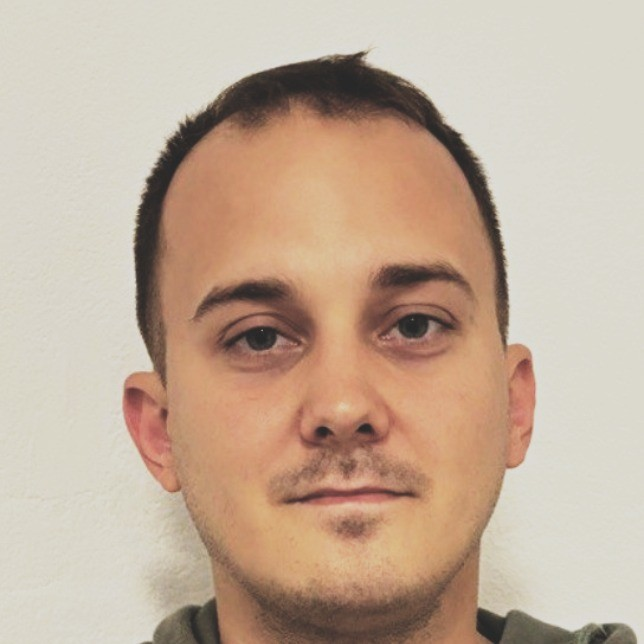
Faruk Mustafic
Lead Software Engineer
Former Argent. Background in crypto risk modeling, AI, smart contracts, and settlement systems.
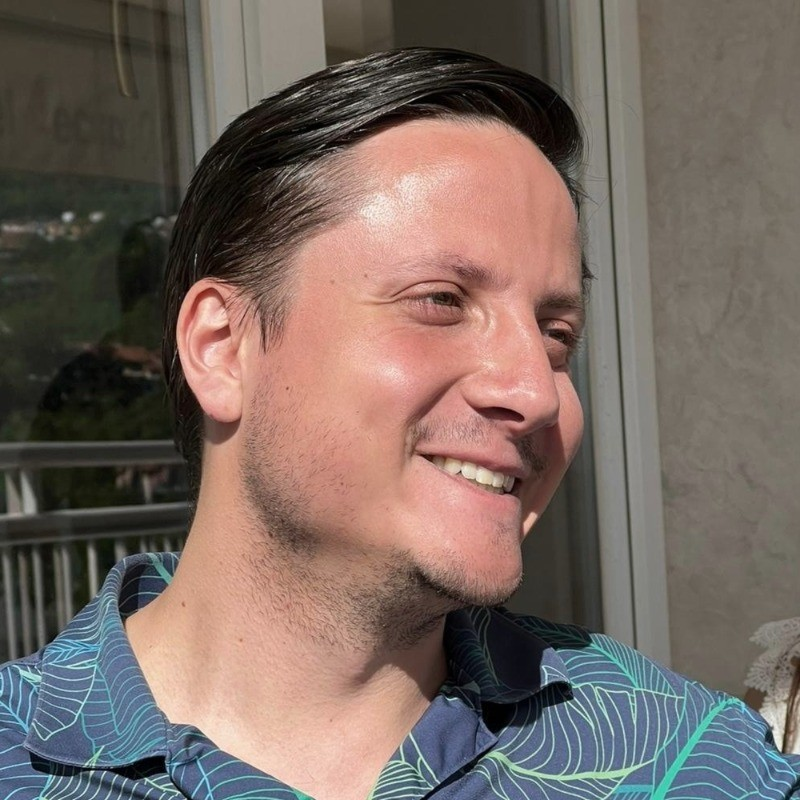
Tarik Sidran
Lead Backend Engineer
Built real-time DeFi infrastructure. Formerly in industrial automation. Focused on resilient backend systems.

Keep collateral onchain.
Keep settlement logic transparent.
Prefer alignment over extraction.
Fix the rails, not just the optics.
Read the thesis.
Or get in touch.
If you want the argument, read the thesis. If you want to issue a preferred token, partner, or talk, reach out.